
When space adapts to the way we work
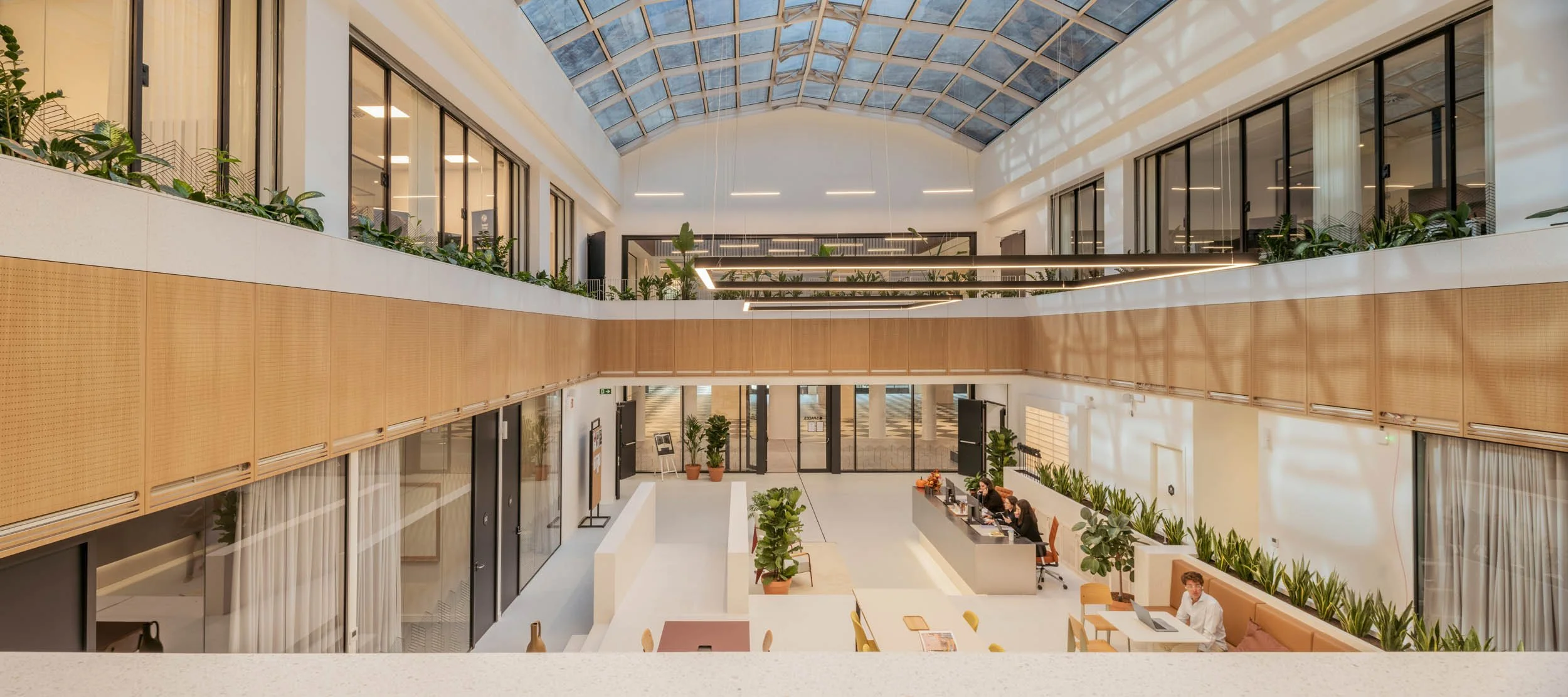
For decades, the office was conceived as a set of closed rooms and well-defined functions. Today, reality is different. Teams are more dynamic, projects more collaborative, and workspaces need to keep up with this transformation. It is in this context that coworking spaces emerge — environments where different people, companies, and ideas coexist daily.
But creating a truly functional space goes far beyond placing several desks in the same room. In a well-designed coworking space, each zone responds to a specific need: focusing, collaborating, meeting, sharing ideas, or simply taking a break. And this is precisely where partitions play a fundamental role.
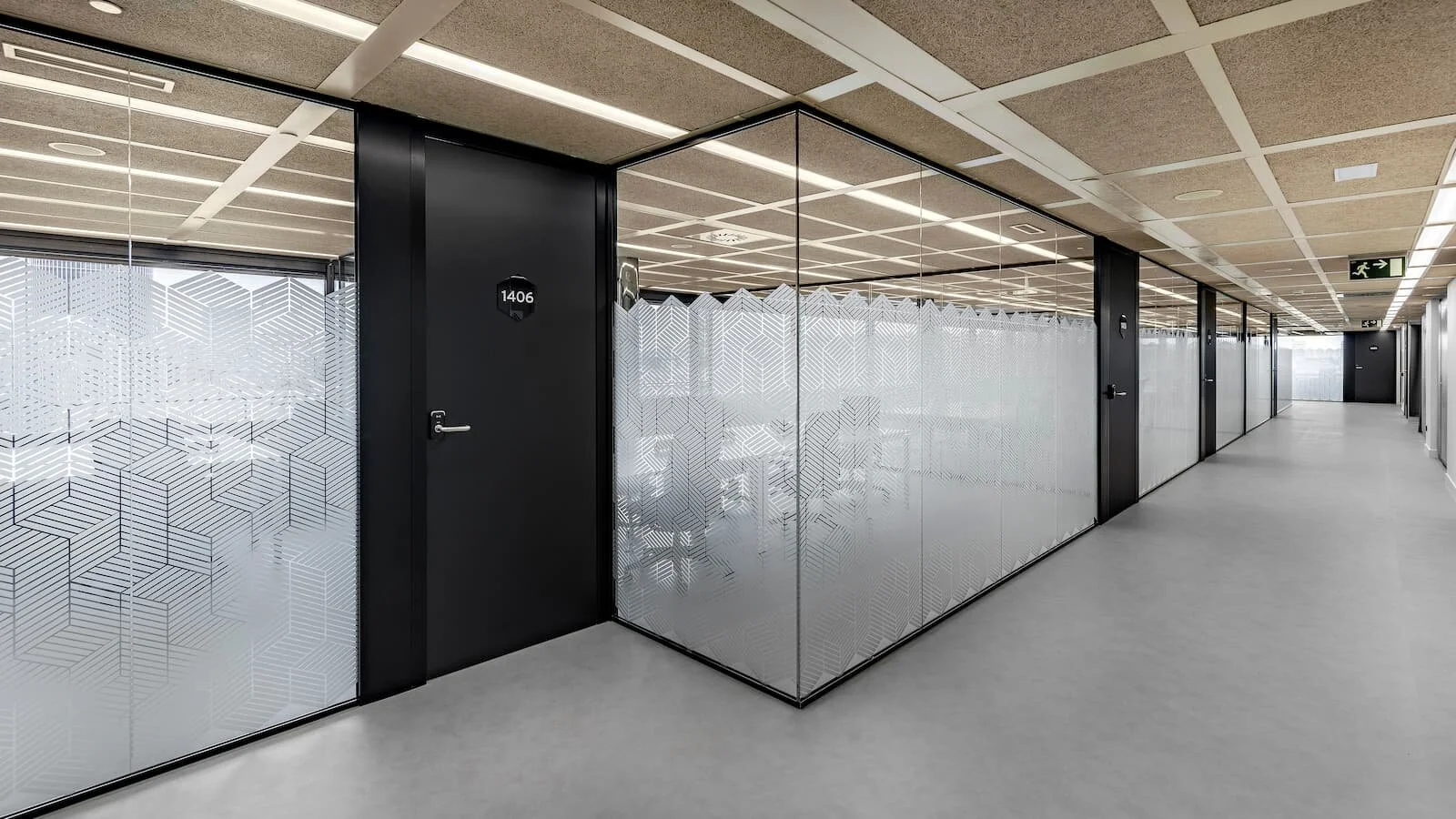
More than just separating spaces, partitions help give structure to the work environment. They allow areas to be defined without compromising the fluidity of the space, creating a balance between openness and privacy that is essential in contemporary professional environments.
In coworking spaces, this flexibility becomes even more important. A team might grow, a startup might need a private office, or an open space might transform into a new meeting room. Well-designed partition systems allow the space to evolve with its users, adapting to changes without the need for complex structural interventions.

At the same time, partitions contribute to something that often goes unnoticed: daily comfort for those who work there. The ability to create more sheltered zones for meetings, calls, or moments of focus makes all the difference in productivity and the quality of the work environment.
But functionality does not mean sacrificing aesthetics. In a modern space, interior architecture also plays an important role in the user's experience. The transparency of glass, the precision of the structures, and the integration with other carpentry elements allow for the creation of bright, elegant, and cohesive environments.
At BAMER, every project starts precisely from this idea: designing solutions that organize the space without limiting its potential. Partitions are conceived as architectural elements that contribute to the identity of the place, integrating naturally into the concept of each project.

In a coworking space, where different professionals share the same environment, this approach becomes particularly relevant. The space needs to be open enough to stimulate interaction, but also structured enough to ensure comfort and efficiency at work.
Ultimately, partitions do not just serve to divide. They serve to create rhythm, balance, and functionality within a space in constant motion.
Because when the space is well-thought-out, working becomes a more fluid, more productive — and, above all, more inspiring experience.